Stars Without Number PDF: A Comprehensive Guide (Updated 12/21/2025)
Today, December 21st, 2025, explore the vastness of Stars Without Number! This guide details accessing the PDF, utilizing recent astronomical discoveries—like those from the James Webb Space Telescope—to enrich your gameplay.
What is Stars Without Number?
Stars Without Number (SWN) is a science fiction role-playing game renowned for its sandbox-style gameplay and focus on player agency within a sprawling, procedurally generated universe. Unlike many RPGs with pre-defined settings, SWN empowers Game Masters (GMs) to construct entire sectors of space, complete with planets, star systems, and intriguing alien civilizations.
At its core, SWN is designed to facilitate emergent storytelling. The system intentionally avoids prescriptive narratives, instead providing tools and frameworks for GMs to build worlds and for players to forge their own destinies. The game’s design philosophy centers around the idea that the most compelling stories arise from the unpredictable interactions between players and a dynamic, reactive universe.
The availability of the Stars Without Number PDF is central to its accessibility. It allows players and GMs to easily access the core ruleset and begin crafting their interstellar adventures. The game draws inspiration from classic science fiction tropes, offering a blend of space opera, gritty realism, and philosophical exploration.
The Core Concept: Sector-Based Play
Stars Without Number’s defining feature is its sector-based play. Instead of a single, detailed setting, the game encourages GMs to create a “sector” – a region of space containing dozens or even hundreds of star systems. This sector serves as the playground for player characters, offering immense freedom and exploration.
The Stars Without Number PDF provides robust tools for sector creation, including tables and guidelines for generating star systems, planets, and points of interest. This procedural generation isn’t random; it’s designed to spark creativity and ensure each sector feels unique and internally consistent. GMs can tailor the sector to their preferences, focusing on themes like corporate control, alien empires, or lawless frontiers;
This approach allows for campaigns that span years of in-game time, with players charting new territories and uncovering ancient secrets. The sector isn’t static; it evolves based on player actions and GM interventions, creating a truly dynamic and engaging experience.
Availability and Formats of the Stars Without Number PDF
The Stars Without Number PDF is primarily available through DriveThruRPG, a leading platform for tabletop role-playing game resources. Several editions exist, including the original and the revised “Complete Edition,” offering varying levels of content and refinement. Purchasing directly from DriveThruRPG ensures legitimate access and supports the game’s creator, Kevin Crawford.
Beyond DriveThruRPG, the PDF may occasionally be found through other online retailers, but verifying the source’s legitimacy is crucial to avoid piracy. Physical copies, including softcover and hardcover editions, are also available, often through the same channels. The PDF format allows for easy access on various devices – computers, tablets, and smartphones – facilitating gameplay on the go.
Always prioritize legal acquisition to support the continued development of Stars Without Number and its community. Checking for updates and errata on official channels is recommended.
Understanding the System’s Design Philosophy
Stars Without Number’s design centers on a “sandbox” approach to science fiction roleplaying, prioritizing player agency and emergent storytelling. Unlike heavily scripted campaigns, SWN provides tools for Game Masters to construct expansive sectors and compelling planets, fostering a sense of exploration and discovery. The system deliberately avoids pre-defined narratives, encouraging GMs to react to player choices and build a unique universe collaboratively.
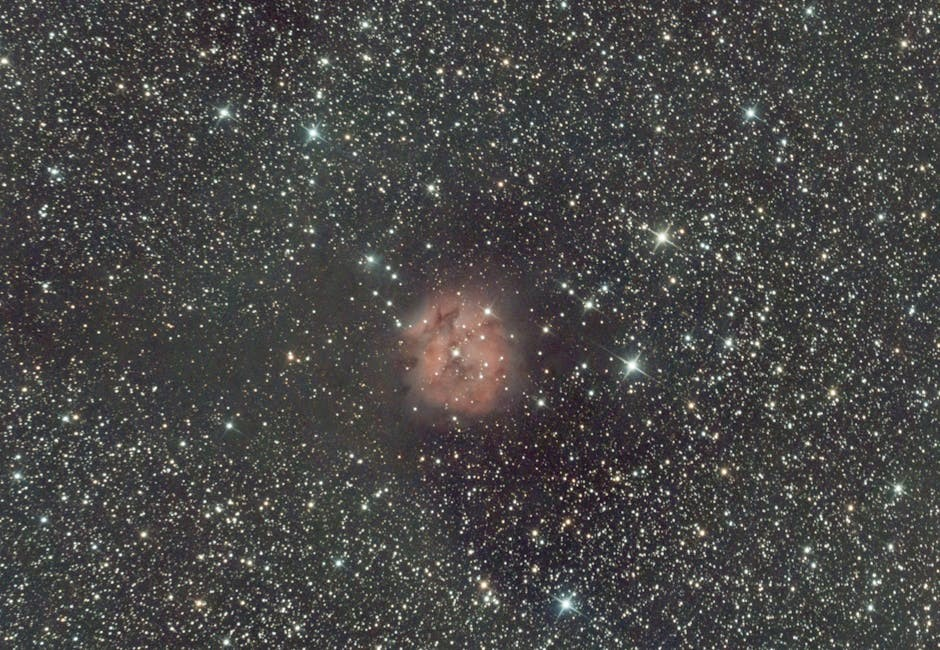
A key tenet is streamlining complexity. While offering depth, SWN aims for efficient gameplay, minimizing rules overhead to keep the focus on narrative and character interaction. The system draws inspiration from classic RPGs, but modernizes mechanics for a faster, more flexible experience. The sector-based approach allows for scaling adventures, from isolated planetary conflicts to galaxy-spanning sagas.
Ultimately, Stars Without Number empowers both GMs and players to craft their own science fiction epics.

Character Creation in Stars Without Number
Crafting your interstellar adventurer begins with defining backgrounds and origins, then building skills and attributes—the core of your character—within the Stars Without Number PDF.
Character Backgrounds and Origins
Stars Without Number’s character creation truly shines with its detailed backgrounds and origins system. These aren’t merely cosmetic choices; they fundamentally shape your character’s skills, connections, and starting equipment, influencing their role within the sprawling sectors. The PDF provides a wealth of options, ranging from the Corporate Scion, inheriting wealth and influence, to the Voidborn, touched by the strange energies of the beyond;

Each background offers unique skill proficiencies and potential Contacts – vital NPCs who can provide assistance, information, or even trouble. Origins further refine this, detailing where your character hails from – a high-tech metropolis, a lawless frontier world, or perhaps a decaying orbital station. These choices impact starting gear and introduce narrative hooks, immediately immersing players in the game’s universe. Consider how a character raised amidst the star-forming regions, like NGC 3324 observed by the James Webb Telescope, might view the cosmos differently than one from a heavily populated system.
The PDF emphasizes that backgrounds and origins are starting points, not rigid constraints, allowing for dynamic character development as the campaign unfolds.
Skills and Attributes: The Foundation of Your Character
Stars Without Number utilizes a streamlined skill and attribute system, prioritizing narrative impact over complex calculations. Attributes – Strength, Dexterity, Intelligence, and Charisma – represent core capabilities, while Skills define specific proficiencies like Piloting, Engineering, or Persuasion. The PDF details a point-buy system for allocating these, encouraging diverse character builds.
Skills are broadly categorized, allowing for flexibility and preventing excessive specialization. Importantly, skills aren’t just for “success or failure” checks; they also influence how a character attempts a task, adding flavor to gameplay. A character with high Engineering might jury-rig a solution, while one with high Piloting could execute a daring maneuver during ship combat.
The system cleverly ties skills to backgrounds, ensuring characters begin with relevant expertise. Considering the recent observations of planetary alignments like Jupiter and Mars, a character skilled in Astrogation might possess unique insights into navigating such celestial events, adding a layer of realism and depth to their abilities.
Character Advancement and Experience Points
Stars Without Number’s character advancement system emphasizes narrative progression alongside mechanical improvement. Experience Points (XP) are awarded not just for overcoming challenges, but also for engaging with the story and roleplaying effectively. The PDF outlines a Milestone-based XP system, shifting away from rigid “experience per encounter” calculations.
Milestones represent significant story beats or character achievements. Reaching a milestone triggers an XP award, allowing players to improve skills, attributes, or acquire new abilities. This encourages players to actively participate in the unfolding narrative, rather than simply “grinding” for XP.
Advancement isn’t solely about becoming more powerful; it’s about defining your character’s journey. Considering recent astronomical discoveries – like the detailed images of star-forming regions from the James Webb Telescope – a character might gain a milestone for uncovering a hidden astronomical anomaly, reflecting their growing expertise and connection to the universe.
Psionics: A Unique Character Option
Stars Without Number distinguishes itself with a robust and flavorful psionics system, detailed within the PDF. Unlike traditional magic, psionics represent the raw power of the mind, allowing characters to manipulate reality through willpower and mental discipline. This isn’t simply “space magic”; it’s a scientifically-grounded (within the game’s setting) ability with inherent risks and limitations.
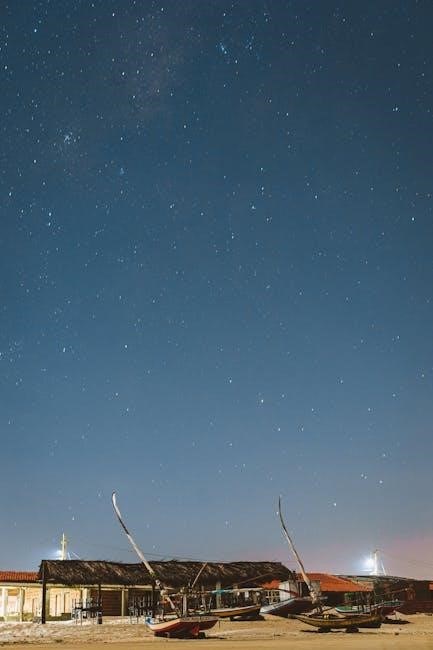
Psionic powers are categorized into Disciplines, each focusing on a specific aspect of mental manipulation – telepathy, telekinesis, precognition, and more. Characters gain access to these Disciplines through character creation and advancement, customizing their psionic abilities to fit their playstyle.
The system incorporates a “Strain” mechanic, representing the mental toll of using psionic powers. Overexertion can lead to temporary or permanent mental instability, adding a layer of risk and reward. Considering recent discoveries of distant star systems, a psionic character might experience heightened sensitivity to cosmic energies, influencing their abilities.

The Game Master’s Role and Tools
Stars Without Number’s PDF empowers GMs to craft sprawling sectors, utilizing tools for planet and encounter generation, inspired by recent astronomical observations and discoveries.
Sector Creation: Building Your Universe
Stars Without Number’s sector creation tools, detailed within the PDF, allow Game Masters to construct unique galactic regions. Begin by establishing a sector’s overall character – is it a frontier zone, a densely populated trade hub, or a region scarred by ancient conflicts? Consider the prevalence of different star types, drawing inspiration from recent discoveries like the star-forming regions observed by the James Webb Space Telescope (NGC 3324, NGC 1514).
Determine the sector’s political landscape: are there dominant empires, independent systems, or lawless voids? Populate the sector with star systems, varying their characteristics – habitable planets, resource-rich asteroids, or strategically important jump points. The PDF provides guidelines for determining system connectivity and travel times. Don’t forget to consider anomalies – nebulae, black holes, or remnants of precursor civilizations – adding layers of mystery and danger. Remember the planetary alignments of Jupiter and Mars in April/May 2025 could inspire unique celestial events within your sector!
Planet Generation: Populating Your Sectors
The Stars Without Number PDF provides robust tools for planet generation, moving beyond simple classifications. Begin by rolling for planet size, atmosphere, and temperature, influencing habitability. Consider the impact of stellar type – a planet orbiting a red dwarf will differ drastically from one around a G-type star, mirroring real-world astronomical observations. Utilize the PDF’s tables to determine resources, population levels, and technological advancement.
Introduce unique features: ancient ruins hinting at lost civilizations, strange geological formations, or unusual ecosystems. The Webb Telescope’s images of NGC 3324 reveal intricate star-forming regions; perhaps a planet orbits within such a nebula, bathed in radiant energy. Factor in potential hazards – extreme weather, hostile fauna, or political instability. Remember the possibility of rare events, like a recent nova (observed in 2025), impacting a planet’s atmosphere or triggering societal upheaval. Detail the planet’s culture and dominant species, creating a vibrant and believable world.
Encounter Design: Challenges for Players
The Stars Without Number PDF emphasizes dynamic encounters beyond simple combat. Design scenarios leveraging the sectors you’ve created, incorporating political intrigue, resource scarcity, or moral dilemmas. Consider encounters inspired by recent astronomical events – perhaps investigating a planet affected by a nova’s radiation, or responding to a distress signal from a research station studying a newly discovered star-forming region like NGC 1514.
Vary encounter types: exploration of ancient ruins, negotiation with alien factions, or desperate survival against hostile environments. Utilize NPCs with compelling motivations and secrets. Remember the planetary alignments of Jupiter and Mars (April/May 2025) could influence local beliefs or trigger unusual phenomena. Don’t solely rely on direct confrontation; puzzles, stealth, and social challenges offer diverse gameplay. Ensure encounters have consequences, shaping the narrative and impacting the players’ reputations within the sector;
NPC Creation: Bringing Your World to Life
Populating your Stars Without Number campaign with memorable Non-Player Characters (NPCs) is crucial. The PDF encourages moving beyond simple stat blocks, focusing on motivations, flaws, and connections to the sector. Consider NPCs impacted by recent astronomical events – a scientist obsessed with the Webb Telescope’s findings on NGC 3324, or a religious leader interpreting the Jupiter-Mars alignment as a prophecy.
Develop backstories that tie NPCs to local politics, trade routes, or hidden agendas. Give them unique quirks and mannerisms. Perhaps a merchant profits from rare materials ejected by a nova, or a smuggler utilizes knowledge of planetary positions for clandestine operations. Don’t be afraid to create NPCs with conflicting goals, forcing players to navigate complex relationships. Remember, compelling NPCs breathe life into your sector, making it feel reactive and immersive.

Key Mechanics and Gameplay
Stars Without Number’s core utilizes a d20 system, resolving tasks with skill checks. Combat, space travel, and trade are all governed by these rules, offering a flexible, narrative-focused experience.
The d20 System and Task Resolution
Stars Without Number fundamentally relies on a d20 system for resolving actions, a familiar mechanic for those versed in tabletop role-playing games. Players roll a twenty-sided die, adding relevant skill modifiers and attribute bonuses to the result. This total is then compared against a Difficulty Class (DC) set by the Game Master (GM) to determine success or failure.
The system emphasizes a relatively straightforward approach, prioritizing narrative flow over complex calculations. Modifiers are derived from character skills, attributes, and situational factors. Critical successes (rolling a natural 20) and critical failures (rolling a natural 1) introduce dramatic twists, enhancing the unpredictable nature of the game.
Unlike some systems, Stars Without Number doesn’t heavily penalize failure; instead, it often presents opportunities for complications or alternative approaches. This encourages players to take risks and embrace the consequences, fostering a dynamic and engaging gameplay experience. The GM has considerable latitude in adjusting DCs based on the circumstances, ensuring challenges remain appropriate and compelling.
Combat Rules: Engaging in Conflict
Stars Without Number’s combat system prioritizes speed and cinematic action, diverging from overly granular simulations. Initiative is determined by a simple d20 roll plus a relevant skill modifier, establishing the turn order. Actions during combat are categorized as maneuvers – standard actions like shooting or attacking, and moves – allowing for repositioning and tactical adjustments.
Damage is calculated based on weapon statistics, attacker skill, and defender armor. The system utilizes a relatively simple hit point (HP) system to represent character resilience. Critical hits inflict increased damage and can introduce additional effects, adding a layer of excitement.
Cover and flanking maneuvers play crucial roles, influencing attack rolls and damage. The GM is encouraged to describe combat dynamically, focusing on narrative impact rather than strict adherence to rules. Stars Without Number emphasizes tactical thinking and creative problem-solving during encounters, making each conflict a unique challenge.
Space Travel and Ship Combat
Stars Without Number streamlines space travel, focusing on the narrative implications of interstellar journeys rather than complex calculations. Travel time between star systems is determined by Jump Drive quality and sector charts, representing the risks and uncertainties of navigating the void. Ships are characterized by statistics like speed, armor, and firepower, influencing their capabilities in combat.
Ship combat utilizes a similar d20-based system to personal combat, with actions representing maneuvering, firing weapons, and managing ship systems. Damage affects ship components, potentially disabling vital functions. Tactical considerations include positioning, energy management, and exploiting enemy weaknesses.
The game encourages GMs to emphasize the drama and tension of space battles, incorporating elements like asteroid fields, nebulae, and sensor interference. Ship customization and upgrades allow players to tailor their vessels to specific roles and playstyles, enhancing the strategic depth of space encounters.
Trade and Economics in the Game
Stars Without Number presents a flexible economic system, allowing GMs to tailor the level of detail to their campaign’s focus. Trade operates on a supply and demand basis, influenced by planetary resources, political stability, and interstellar routes. Players can engage in legitimate commerce, smuggling, or even piracy, impacting local economies and forging alliances.
The game doesn’t prescribe a rigid currency system; GMs can utilize credits, barter, or even unique commodities. Planetary conditions and technological levels affect the availability and value of goods. Establishing trade routes and securing favorable deals requires negotiation, risk assessment, and potentially, overcoming obstacles like bandits or corrupt officials.
Economic factors can drive plotlines, creating opportunities for players to exploit market imbalances, influence political events, or build trading empires. The system encourages dynamic interactions between players and the game world, fostering a sense of agency and consequence.

Resources and Supplements for Stars Without Number
Explore official expansions and a vibrant community! Discover online tools, generators, and legally sourced Stars Without Number PDFs to enhance your galactic adventures.
Official Supplements and Expansions
Stars Without Number has benefited from several official supplements, expanding upon the core rulebook and offering players and Game Masters a wealth of new content. While specific release dates and availability can fluctuate, key expansions significantly enhance the game experience. These resources often introduce new sectors, detailed planet types, and expanded rules for specific scenarios.
Early supplements focused on refining core mechanics and providing additional tools for sector creation. Later expansions delved into specific themes, such as advanced technology, political intrigue, or unique alien civilizations. These expansions aren’t merely additions; they’re designed to integrate seamlessly, offering a richer, more nuanced universe for players to explore.
Finding these official supplements often involves checking DriveThruRPG and similar digital distribution platforms. Availability of physical copies may vary, with some editions becoming collector’s items. Regularly checking the Sine Nomine Publishing website is also recommended for the latest updates and announcements regarding new releases or reprints.
Community-Created Content and Resources
The Stars Without Number community is remarkably active, generating a substantial amount of freely available content. This vibrant ecosystem extends the game’s lifespan and offers diverse experiences beyond the official supplements. Online forums, dedicated wikis, and platforms like Reddit host a treasure trove of player-created sectors, planets, adventures, and house rules.
Many creators share their work openly, providing detailed sector maps, compelling NPC backstories, and innovative encounter designs. These resources often cater to specific playstyles or explore unique themes, adding layers of customization to your campaigns. Expect to find everything from gritty, low-tech settings to sprawling, high-science empires.
However, it’s crucial to exercise caution when utilizing community content. Always verify the source and ensure compatibility with your version of the rules. Engaging with the community directly—through forums and discussions—can provide valuable feedback and ensure a smooth integration of these resources into your game.
Online Tools and Generators for SWN
Several online tools significantly streamline the Stars Without Number game mastering experience, particularly for sector and planet creation. These generators automate much of the tedious work, allowing GMs to focus on narrative development and encounter design; Dedicated websites offer randomized planet characteristics, including terrain, population, technology levels, and political structures.
Sector map generators assist in visually representing your campaign setting, providing a framework for interstellar travel and exploration. Others focus on generating unique star systems, complete with planetary details and potential points of interest. These tools often incorporate elements from the core rulebook, ensuring consistency with the game’s established lore.
While these generators are incredibly helpful, remember they are starting points. Customization is key! Use the generated content as inspiration, tailoring it to fit your specific campaign vision and player preferences. Don’t be afraid to modify or discard elements that don’t align with your narrative goals.
Where to Find the Stars Without Number PDF Legally
Acquiring the Stars Without Number PDF through legitimate channels supports the creators and ensures you receive a complete, updated version of the game. DriveThruRPG is the primary official distributor, offering both the core rulebook and various supplements in PDF format. Purchasing directly from DriveThruRPG guarantees a safe download and contributes to the continued development of the SWN community.
Occasionally, bundles or sales may be available, offering discounts on multiple products. It’s worth checking DriveThruRPG regularly for these promotions. Avoid unofficial sources or torrent sites, as these often contain incomplete, corrupted, or even malicious files. Supporting the official distribution channels is crucial for the longevity of the game.
Always verify the source before downloading any PDF to protect your device and respect the intellectual property rights of the creators. A legitimate purchase ensures access to all the content and future updates.

Recent Astronomical Discoveries Relevant to SWN (as of 12/21/2025)
Recent observations from the James Webb Telescope—NGC 3324, NGC 1514—and planetary alignments of Jupiter and Mars enhance SWN campaign realism and inspiration!
James Webb Space Telescope and Star-Forming Regions (NGC 3324, NGC 1514)
The James Webb Space Telescope (JWST) has revolutionized our understanding of star formation, providing stunning visuals and data directly applicable to Stars Without Number (SWN) campaigns. NGC 3324, a region within the Carina Nebula, showcases mountains and valleys of gas and dust, a perfect template for generating unique planetary landscapes. Its proximity—only 390 light-years away—allows for incredibly detailed observation, inspiring richly described worlds.
Furthermore, JWST’s mid-infrared data of NGC 1514 reveals intricate ring structures ejected by a dying star. These rings, visible only in infrared, can be re-imagined as ancient alien constructs or remnants of powerful, long-lost technologies within your SWN sector. The fuzzy clumps and network of holes offer compelling visual cues for designing challenging and mysterious environments. Consider how these stellar phenomena might influence local cultures, economies, or even the psionic potential of inhabitants. The telescope’s findings provide a wealth of inspiration for GMs seeking to create scientifically plausible and visually arresting settings.
Planetary Alignments: Jupiter and Mars Visibility (April/May 2025)
April and May 2025 presented a striking celestial display with Jupiter and Mars prominently visible, offering excellent opportunities to integrate real-world astronomy into Stars Without Number (SWN) campaigns. Throughout April, Jupiter and a crescent Moon were frequently observed together in the western sky after sunset, a spectacle that could signify a rare astrological event within your game world, influencing character fortunes or triggering specific plot points.
Mars, high in the sky, remained visible for several hours after dark. Consider incorporating these planetary positions into SWN’s setting – perhaps a civilization reveres Jupiter as a benevolent deity, or a Martian colony struggles with resource scarcity due to the planet’s position. The decreasing visibility of Jupiter later in May could represent a waning influence or a shift in galactic power dynamics. These alignments aren’t merely aesthetic; they can be woven into the narrative fabric of your SWN universe, adding depth and realism.
Nova Events and Their Potential Impact on SWN Campaigns
The anticipation of a nova event in May 2025 provides a fantastic narrative hook for Stars Without Number (SWN) campaigns. A nova, a sudden brightening of a star, can be dramatically integrated into your game world as a sign of cosmic upheaval, a harbinger of change, or even a source of powerful energy. Imagine a civilization built around predicting and harnessing the energy released by such events!
Within SWN, a nova could disrupt communication networks, cause strange psionic phenomena, or even open temporary wormholes to other sectors. Perhaps a character’s homeworld orbits a star prone to novae, shaping their culture and beliefs. The event could trigger a rush to claim newly formed planetary resources ejected during the explosion. Consider the scientific and societal impacts – religious interpretations, technological advancements, and political maneuvering. A nova isn’t just a light show; it’s a catalyst for adventure and conflict within your SWN universe.