Guide Dogs for the Blind: An Overview
Guide dogs for the blind are specially trained companions that navigate obstacles, provide safety, and enable independence․ They undergo rigorous selection, obedience training, and socialization before adoption․ Owners receive support and training to build a lifelong partnership This partnership help
Types of Guide Dogs
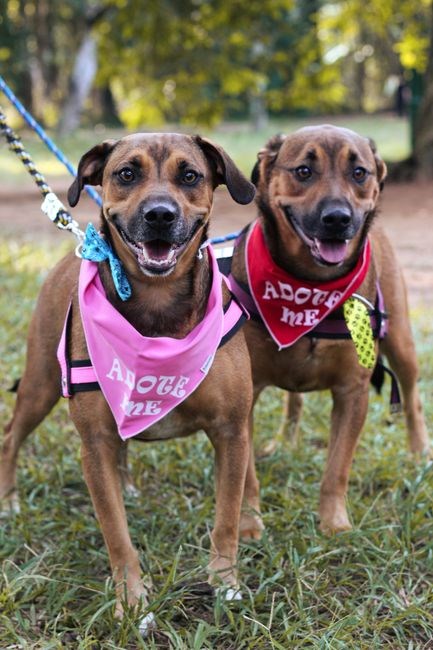
Guide dogs for the blind are grouped into distinct categories that reflect the varied lifestyles, environments, and specific needs of adopters․ The most widely recognized category is the Standard Guide Dog․ These dogs are usually Labradors, Golden Retrievers, or German Shepherds, chosen for their calm, confident temperament, strong work ethic, and versatility across diverse terrains․ They excel in bustling city streets, where they must navigate traffic, stairs, and crowded sidewalks while maintaining a steady pace and providing reliable directional cues․
Another popular option is the Miniature Guide Dog․ Often a smaller Labrador or a mixed‑breed, these dogs are ideal for individuals who live in apartments, have limited space, or simply prefer a more compact companion․ Despite their reduced size, miniature dogs receive the same intensive training as their larger counterparts and can perform all standard guide duties, including obstacle detection, obstacle avoidance, and precise navigation․
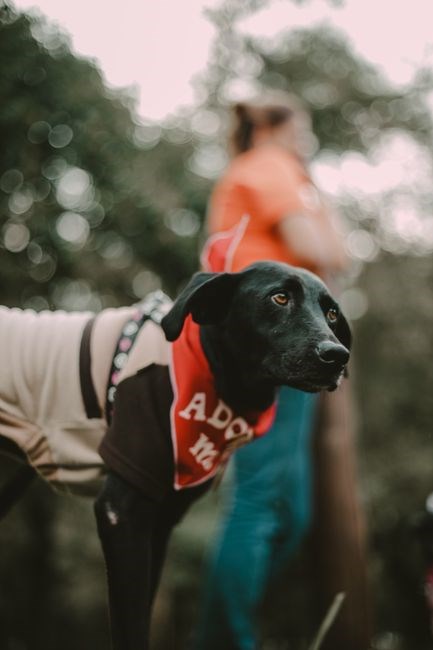
For those who travel frequently or reside in rural settings, the Rural Guide Dog is specially conditioned to handle uneven ground, farm equipment, and wildlife hazards․ These dogs are trained to remain calm around loud machinery, open fields, and livestock, and they are adept at alerting owners to potential dangers such as open water or uneven terrain․
Some programs offer the Special Needs Guide Dog, which is trained to assist individuals with additional disabilities, such as hearing impairments, mobility challenges, or chronic medical conditions․ These dogs combine guide work with assistance tasks such as opening doors, retrieving objects, or providing balance support, thereby extending their utility beyond navigation alone․
Finally, the Service‑Ready Guide Dog designation is used by certain organizations to indicate a dog that has completed all training phases and is fully certified for adoption․ This label assures adopters that the animal has a proven track record of reliability, obedience, and safety, allowing for a smoother transition into daily life․
Training Process for Guide Dogs
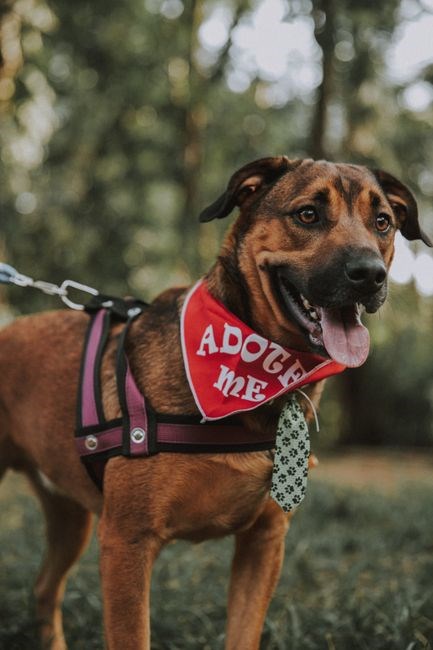
Guide dog training begins with a rigorous selection phase, where puppies are evaluated for temperament, health, and potential․ Only those that demonstrate calmness, confidence, and a strong work ethic advance to the first training stage․ In the foundational phase, puppies learn basic obedience commands such as sit, stay, heel, and come, while simultaneously being introduced to a variety of environments—quiet homes, bustling streets, and crowded public spaces․ Positive reinforcement, clicker training, and consistent routines build trust and establish clear communication between dog and handler․
Once basic obedience is mastered, the training program shifts to specialized navigation skills․ The dog learns to detect and avoid obstacles, maintain a steady pace, and respond to verbal cues from the handler․ Training sessions incorporate obstacle courses, traffic simulations, and real‑world scenarios to ensure the dog can safely guide through diverse settings․ During this phase, handlers practice giving clear, concise commands, and the dog learns to interpret subtle cues, such as changes in body orientation or weight distribution․
The final stage focuses on independence and reliability․ The dog is tested in increasingly complex environments, including unfamiliar neighborhoods, public transportation, and emergency situations․ Handlers receive ongoing support, refresher courses, and access to a network of experts to address any challenges that arise․ Successful completion of this comprehensive program certifies the dog as ready for adoption, ensuring that each guide dog is fully prepared to provide safe, confident, and compassionate assistance to its future owner․ Each dog also receives ongoing health checks and behavioral support to ensure performance!․

Eligibility Criteria for Adoption
Adopting a guide dog for the blind requires meeting specific eligibility criteria that ensure the dog’s safety, the handler’s ability to provide proper care, and the overall success of the partnership․ The main criteria typically include:
- Age and Vision: The applicant must be legally blind or have a visual impairment that meets the organization’s definition of blindness․ Proof of vision loss, such as a medical certificate or a doctor’s note, is usually required․
- Living Situation: Applicants must have a safe, dog‑friendly living environment․ This includes a secure, fenced yard or a nearby park, and a home that is free of hazards that could impede the dog’s navigation․
- Financial Stability: Guide dogs come with ongoing costs—food, veterinary care, training, and equipment․ Applicants must demonstrate the financial means to cover these expenses, often through a detailed budget or proof of income․
- Time Commitment: The handler must dedicate a minimum of 8–10 hours per day to training, exercise, and companionship․ This ensures the dog remains well‑balanced and prevents behavioral issues․
- Health and Lifestyle: Applicants should be in good overall health, free from conditions that could hinder mobility or cause stress․ A clean lifestyle, including no smoking or excessive alcohol, is also evaluated․
- Support Network: A strong support system—family, friends, or community resources—is essential for emergencies and routine care․ Many organizations require a letter of support or a statement of availability․
- Commitment to Training: Applicants must commit to ongoing training and reinforcements, attending workshops, and following the organization’s guidelines for daily care․
- Legal Documentation: A valid driver’s license or proof of legal residency may be required, depending on the organization’s policies․
- Transportation Access: Applicants must have reliable transportation to attend training sessions, vet appointments, and community events․
- Emergency Plan: A written plan outlining steps to take in case of injury, illness, or loss of the dog is mandatory․
- Training History: Prior experience with dogs or participation in volunteer work with service animals can strengthen an application․
Meeting these criteria does not guarantee immediate placement, as each dog is matched based on temperament, skill level, and the specific needs of the handler․ Many organizations conduct interviews, home visits, and assessments to confirm suitability before finalizing the adoption․ Additionally, applicants must demonstrate a willingness to adapt to the dog’s needs, such as adjusting work schedules or household routines, ensuring that the dog’s presence does not interfere with daily responsibilities․ Successful applicants then enter a matching process that pairs them with a guide dog whose skills align with their lifestyle and mobility goals․
Adoption Application Procedure
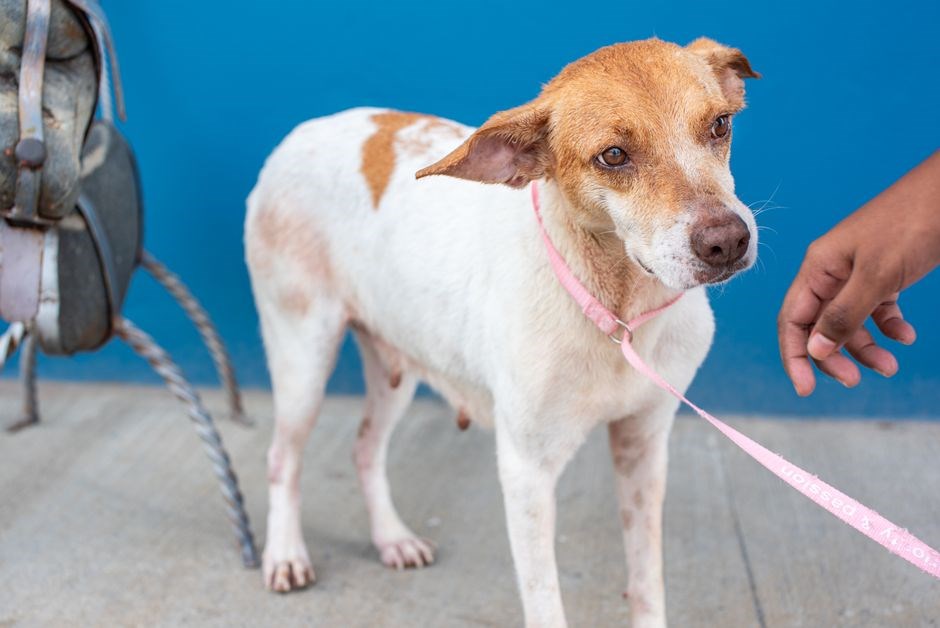
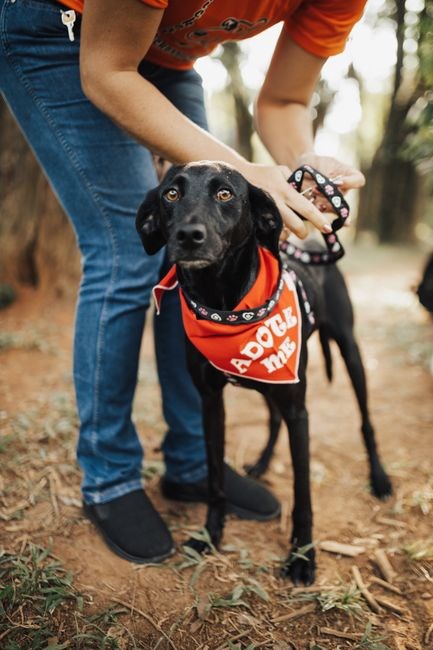
Applicants begin by completing an online or paper application that requests personal data, vision documentation, living conditions, financial information, and a statement of commitment․ After submission, the organization schedules an initial phone interview to gauge motivation and clarify eligibility․ Successful candidates then receive a home‑visit assessment, where a trained staff member evaluates safety, space, and the applicant’s ability to manage a guide dog․ The visit also includes a review of emergency plans and a discussion of the dog’s training requirements․ Once the home assessment is approved, the applicant enters a waiting list․ During this period, many organizations offer pre‑matching workshops that cover dog behavior, basic obedience, and the responsibilities of a guide dog handler․ When a suitable dog becomes available, the organization contacts the applicant, presents the dog’s profile, and arranges a meeting․ The final step is a formal adoption agreement that outlines the handler’s responsibilities, the organization’s support, and the financial obligations for ongoing care․ After signing, the handler receives a training schedule and a mentor to guide the first weeks of partnership․ The entire process typically takes 6‑12 months, depending on the organization’s capacity and the applicant’s readiness․
Throughout the application, applicants must provide references from healthcare professionals, community leaders, or previous dog owners․ These references support the applicant’s reliability and commitment․ Additionally, many organizations require a financial audit to verify the ability to cover routine expenses․ Some agencies also conduct a psychological assessment to ensure the applicant can handle the emotional demands of a guide dog partnership․ The application process is designed to be thorough to protect both the animal and the handler, ensuring a successful, long‑lasting relationship․ Applicants are encouraged to attend community events to meet current guide dog users and gain insight into daily life with a guide dog․
Cost and Funding Options
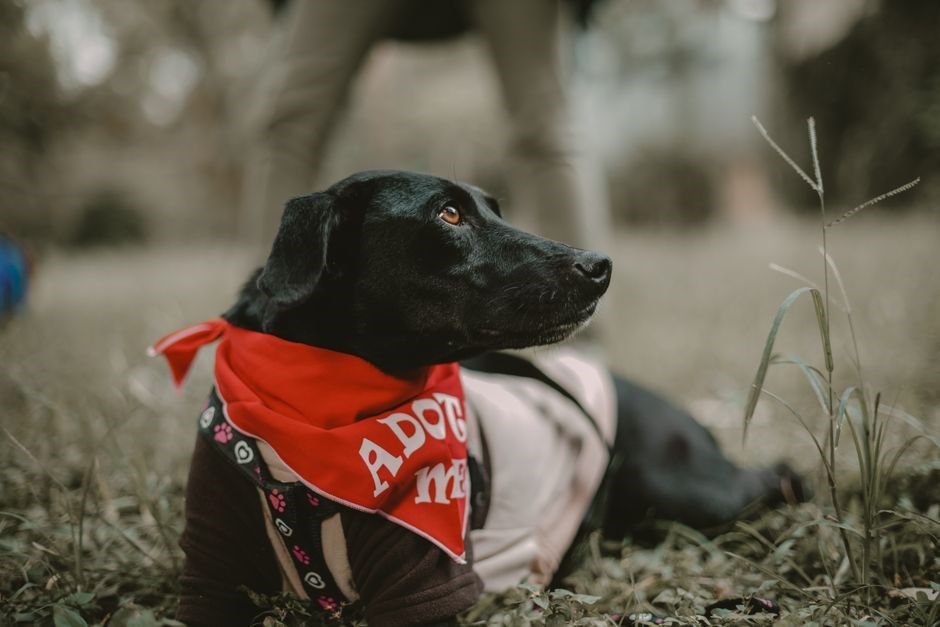
Adopting a guide dog for the blind involves an initial adoption fee that typically ranges from $5,000 to $10,000, covering breeding, training, and veterinary care up to the point of release․ After adoption, owners incur monthly expenses for food, grooming, routine check‑ups, and occasional specialist treatments, which average $200–$400 per month․ Many organizations offer a sliding‑scale fee structure based on income, ensuring that financial barriers do not prevent qualified applicants from obtaining a dog․ In addition, several funding avenues exist: federal and state disability grants can offset both adoption and ongoing costs; many insurance plans provide coverage for medical expenses related to the dog’s health; charitable foundations dedicated to vision impairment often provide direct subsidies or matching grants; and community fundraising campaigns—such as local charity runs or online crowdfunding—have proven effective in raising the necessary capital․ Tax‑deductible donations to accredited guide dog charities also reduce the net cost for adopters․ For those with limited resources, some programs allow a “pay‑as‑you‑go” model, where owners pay a modest monthly fee that covers a portion of the dog’s care, with the organization retaining responsibility for major medical expenses․ Finally, volunteer support networks can reduce costs by offering free or discounted grooming, training reinforcement, and companionship services, further easing the financial burden of guide dog ownership․ Insurance may cover routine vet visits, easing financial burden․
Choosing the Right Dog for Your Needs
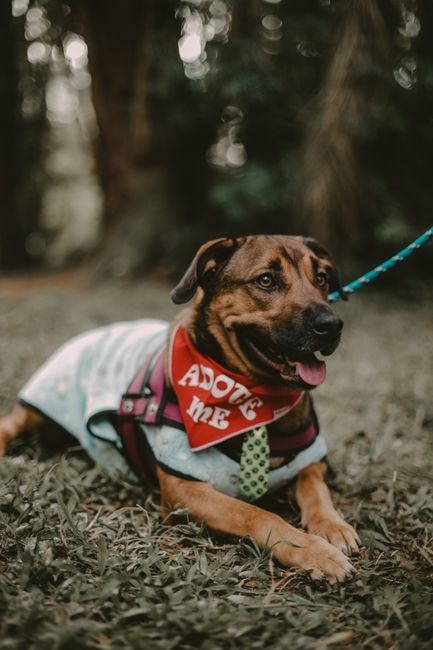
When selecting a guide dog, consider temperament, size, and training level․ A calm, confident dog with a sense of direction is essential for safe navigation․ Evaluate the dog’s responsiveness to commands and its ability to remain focused in busy environments․ Size matters: a medium‑sized dog offers a balance between agility and stability, while a larger dog may provide more strength for uneven terrain․ Health history is critical; choose a dog with a clean record of orthopedic and sensory issues․ Many organizations offer a “trial” period, allowing you to observe the dog’s behavior in real‑world settings before finalizing the adoption․ During this time, assess how the dog reacts to traffic, crowds, and unexpected obstacles․ Compatibility with your lifestyle is also key—if you travel frequently, a dog accustomed to varied environments may be preferable․ Consider the dog’s energy level; a dog may require exercise, whereas a calmer dog may suit a routine․ Pay attention to the dog’s socialization with other animals and people, as its reaction to loud noises and sudden movements․ A dog that remains calm during a thunderstorm or in a crowded subway will provide greater confidence․ Look for a dog that shows consistent obedience during training sessions, indicating a learning capacity․ Some adopters prefer specific breeds known for their temperament, such as Labrador Retrievers or Golden Retrievers, while others may opt for smaller breeds like German Shorthaired Pointers if they value agility․ Finally, remember that the right dog for you is one that aligns with your schedule, living environment, personal preferences, ensuring a partnership that supports independence and safety and lifelong companionship․

Legal Rights and Responsibilities
Guide dogs are protected under the Americans with Disabilities Act, granting owners access to public spaces, transportation, and housing․ Owners must maintain training, provide proper care, ensure dog’s behavior is safe․ Compliance with local regulations is essential!
Daily Care and Health Management
Guide dogs need a balanced diet that supports their high activity․ Feeding schedules should be consistent, with portions adjusted for age, weight, and exercise․ Owners monitor body condition and adjust calories to prevent obesity or malnutrition․
Regular veterinary care is essential․ Annual check‑ups, vaccinations, and parasite prevention keep dogs healthy․ Microchipping and identification tags are mandatory for safety․ Routine blood work and eye exams detect early health issues that could affect a dog’s guiding ability․
Exercise is a cornerstone of a guide dog’s routine․ Daily walks, obstacle training, and play sessions maintain cardiovascular fitness and mental stimulation․ Structured training reinforces commands, improves focus, and prevents boredom․
Grooming keeps a dog comfortable and reduces skin problems․ Brushing removes loose hair and distributes natural oils, while regular ear cleaning prevents infections․ Nail trimming and dental care maintain hygiene․ Owners inspect paws for cuts or foreign objects after outdoor activities․
Behavioral monitoring is critical․ Owners watch for signs of stress, anxiety, or changes that could impair performance․ Early intervention with positive reinforcement preserves a dog’s confidence and reliability․ Consistent communication with the training organization ensures health concerns are addressed promptly․
Finally, a supportive environment promotes longevity․ Providing a comfortable resting area and schedule helps a guide dog thrive․ Owners stay informed about practices, attend workshops, and engage with guide dog community for support․
Owners plan for dog’s scheduling routine veterinary visits, updating immunizations, and ensuring a safe home environment that supports the dog’s well‑being and the owner’s independence!
Training and Reinforcement After Adoption
After adoption, the partnership between owner and guide dog continues to evolve․ Review the dog’s foundational training, ensuring basic commands—sit, stay, heel, stop—are performed consistently․ Schedule short, frequent practice sessions in varied environments, gradually increasing complexity to reinforce adaptability․
Positive reinforcement remains the cornerstone of post‑adoption training․ Treats, praise, and gentle petting reward desired behaviors․ Introduce distractions to test focus, using consistent tone and hand signals․ Attend refresher workshops for updated techniques and peer support․ Consistent practice also strengthens the bond, making the dog more responsive to subtle cues․
Routine maintenance includes obstacle navigation, traffic awareness, and crowded‑space avoidance․ Practice these scenarios in safe settings before applying them publicly․ Regular check‑ins with a handler can identify subtle behavior shifts and allow timely corrective measures․ Use varied surfaces and lighting to simulate real‑world conditions․
Monitor the dog’s physical and mental health․ Signs of fatigue or stress can impair performance․ Adjust exercise, provide enrichment toys, and ensure adequate rest․ Keep a training log to note progress, challenges, and incidents requiring intervention․ Stay vigilant for any signs of discomfort !
Goal: a seamless, confident partnership that empowers independence while preserving well‑being․ Ongoing training, reinforcement, and open communication with professionals help both owner and dog thrive in everyday life․ Regularly reassess goals to adapt to life changes, ensuring the partnership remains effective․
Integration into Everyday Life and Mobility
When a guide dog joins a daily routine, the first step is establishing a predictable schedule․ Consistent feeding times, leash checks, and brief training sessions help the dog feel secure and reinforce the owner’s role as leader․ Begin in familiar indoor spaces before venturing outdoors, allowing the dog to acclimate to new sounds, scents, and surfaces․ Use a calm, steady voice and clear hand signals to communicate intentions, and reward compliance with treats or affection․
Public navigation requires practice in low‑traffic areas, gradually increasing complexity․ Start with quiet streets, then move to busier intersections, parks, and eventually transit hubs․ Emphasize the dog’s ability to detect curbs, steps, and obstacles, and teach it to pause at crosswalks․ Owners should maintain eye contact with the dog, using a consistent cue such as “heel” or a gentle tug on the leash, to keep the dog focused on the path rather than distractions․
Mobility aids, such as canes or electronic devices, can be integrated with the dog’s guidance․ The dog learns to work alongside these tools, ensuring the owner’s safety․ For example, when using a cane, the dog should remain in the designated side and not interfere with the cane’s sweep․ Training sessions should involve both aids simultaneously, reinforcing the dog’s role as a primary guide while respecting the cane’s function․
Social settings like shopping or dining introduce the dog to crowds in brief bursts, rewarding calm behavior․ Teach the dog to pause at entrances and follow the owner’s pace, building confidencefor navigation․
Support Resources and Communities
Adopting a guide dog opens a network of support that extends beyond the initial training phase․ National and local organizations such as the Guide Dogs for the Blind Association, the American Guide Dog Association, and regional chapters offer free or low‑cost workshops covering leash etiquette, health monitoring, and behavioral troubleshooting․ These workshops are often held in community centers, libraries, or online webinars, allowing owners to connect with experienced handlers and fellow adopters․
Peer support groups, both in person and virtual, provide a platform for sharing stories, advice, and emotional encouragement․ Many groups meet monthly, hosting guest speakers from veterinary clinics, occupational therapists, and mobility experts․ Participants discuss topics ranging from seasonal grooming to navigating new public transportation systems, fostering a sense of camaraderie and shared learning․
Digital forums and social media communities—such as dedicated Facebook groups, Reddit threads, and specialized apps—offer real‑time assistance․ Members post questions about nutrition, exercise routines, or behavioral challenges, and receive prompt responses from seasoned owners or volunteer trainers․ These online spaces also serve as marketplaces for dog‑friendly travel guides, recommended gear, and local service providers․
Professional resources include veterinary specialists in canine ophthalmology and neurology, as well as certified guide dog trainers who can conduct refresher courses․ Many organizations partner with universities to provide research updates on canine cognition and mobility technology, ensuring owners stay informed about emerging tools like GPS‑enabled harnesses or adaptive training devices․ Advocacy groups lobby for legal protections, ensuring guide dog owners have access to public spaces, transportation, and employment accommodations․ These networks empower adopters to thrive, ensuring a seamless transition to daily independence today․
Success Stories of Guide Dog Adopters
At the heart of success lies a partnership built on training․ Maya, a 32‑year‑old graphic designer, lost her vision in a car accident․ Within six months of adopting Luna, her guide dog, she reported a shift in confidence․ “I can now navigate the city’s bustling streets without fear,” Maya says․ Luna’s calm demeanor and precise cues have become Maya’s compass, turning errands into confident journeys․
James, a teacher, embraced a Labrador mix named Max after a long search for a suitable companion․ Max’s gentle nature and sharp awareness of obstacles helped James re‑engage with his community․ He now volunteers at a library, guiding visitors through aisles and explaining accessibility features․ James credits Max for restoring his sense of purpose, saying, “The dog’s presence reminds me that I can contribute meaningfully․”
Aisha, a mother in Nairobi, showcases how a guide dog transforms daily life․ After losing her sight, she adopted Simba, a trained dog that navigates uneven terrain and traffic․ Simba’s presence allows Aisha to attend school and work independently․ The dog also reduces social stigma, encouraging others to recognize the capabilities of visually impaired individuals․ Aisha’s testimony at a conference highlights community support and infrastructure․
These narratives underscore that guide dog adoption is more than companionship; it is a catalyst for empowerment, social inclusion, and personal growth․ Each success story reflects a unique journey, yet all share a common thread: the impact of a guide dog on the lives of those it serves․ As organizations expand outreach and funding, the hope is that countless stories will unfold, enriching communities worldwide․
Future of Guide Dog Adoption and Technology
Emerging technologies promise to reshape guide‑dog training and adoption․ Wearable sensors embedded in harnesses now transmit real‑time data on terrain, obstacles, and the dog’s physiological state to a companion’s smartphone․ This feedback loop enhances safety and allows owners to monitor stress levels during unfamiliar routes․ Virtual reality simulations are being used to expose puppies to diverse urban environments, accelerating their spatial awareness without exposing them to real hazards․ In parallel, artificial intelligence algorithms analyze thousands of training sessions to identify optimal cue patterns, reducing the time required for dogs to master complex commands․ Tele‑mentoring platforms connect novice owners with experienced handlers worldwide, offering instant guidance and troubleshooting․ Funding models are evolving too; crowd‑sourced micro‑donations, subscription services, and corporate sponsorships are creating sustainable revenue streams that lower adoption fees․ Finally, collaborative research between veterinary scientists and tech firms is exploring bio‑compatible materials for harnesses that adapt to a dog’s gait, improving comfort and reducing injury risk․ Together, these innovations are expanding accessibility, reducing costs, and ensuring that the bond between guide dogs and their owners remains strong in an increasingly digital world․ These advancements not only enhance mobility but also foster a deeper bond, illustrating how technology and compassion converge to transform lives․!!!?