Overview of the 2016 Honda CR‑V User Manual
The 2016 Honda CR‑V Owner’s Manual offers concise guidance for new drivers‚ detailing vehicle features‚ safety protocols‚ and maintenance schedules. It covers essential topics such as vehicle operation‚ interior controls‚ and troubleshooting tips to ensure optimal performance and longevity. Enjoying
Purpose and Scope of the Manual
The 2016 Honda CR‑V Owner’s Manual serves as the definitive reference for owners‚ providing clear‚ step‑by‑step instructions on vehicle operation‚ maintenance‚ and safety. The manual’s purpose is to empower drivers with the knowledge needed to safely operate the CR‑V‚ understand its features‚ and perform routine care to keep the vehicle running reliably. It covers a wide range of topics‚ from basic ignition and start‑up procedures to detailed explanations of the dashboard‚ infotainment system‚ and climate control. The scope extends to maintenance schedules‚ troubleshooting guidance‚ and safety warnings‚ ensuring that owners can address common issues promptly and avoid potential hazards. Additionally‚ the manual includes information on the vehicle’s specifications‚ dimensions‚ and available trim levels‚ helping owners appreciate the CR‑V’s design and capabilities. By offering both concise checklists and in‑depth explanations‚ the manual supports owners in maintaining compliance with manufacturer recommendations and local regulations. The PDF version is freely available online‚ rated highly by users‚ and serves as a convenient reference for both new and experienced drivers. Whether you’re a first‑time owner or a seasoned enthusiast‚ the manual is an essential tool for maximizing the performance‚ safety‚ and enjoyment of your 2016 Honda CR‑V. This guide also emphasizes safety systems like airbags‚ seat‑belt pre‑tensioners‚ and the advanced driver‑assist package‚ ensuring drivers know the vehicle’s protective features today

Vehicle Overview and Key Specifications
2016 Honda CR‑V is a compact SUV offering a 1.5‑L turbo engine‚ 190 hp‚ 5‑speed automatic‚ 5‑door hatchback‚ 162.6 in wheelbase‚ 172.9 in length‚ 70.8 cu ft cargo‚ 15.2 cu ft rear‚ 4‑driv‚ 16‑in wheels. Weight 3‚400 lbs‚ 2.0‑L engine variant 17in wheels.
Dimensions and Body Style
The 2016 Honda CR‑V presents a sleek‚ boxy silhouette that balances practicality with modern aesthetics. Its overall length measures 172.9 inches‚ while the width extends to 70.8 inches and the height reaches 66.9 inches‚ providing ample interior space. The wheelbase spans 102.4 inches‚ contributing to a stable ride and generous legroom for both front and rear occupants. The curb weight sits at approximately 3‚400 pounds‚ reflecting a lightweight construction that enhances fuel efficiency. The vehicle is offered in a five‑door hatchback configuration‚ featuring a versatile cargo area that expands from 15.2 cubic feet with all seats up to 70.8 cubic feet when the rear seats are folded flat. The CR‑V’s body style incorporates a low‚ aerodynamic profile that reduces drag‚ while the front fascia showcases a bold grille and LED daytime running lights. The overall design emphasizes safety‚ with reinforced side panels and a robust frame that meets stringent crash‑test standards. Inside‚ the cabin is organized with user‑friendly controls‚ ergonomic seating‚ and a spacious dashboard layout. The combination of these dimensions and body features delivers a comfortable‚ efficient‚ and stylish driving experience for daily commutes and longer journeys alike. Its aerodynamic shape not only improves fuel economy but also delivers a quiet cabin‚ thanks to noise‑reduction materials. With its standard all‑wheel‑drive and hill‑descent control‚ the CR‑V handles diverse roads‚ from city streets to off‑road trails.
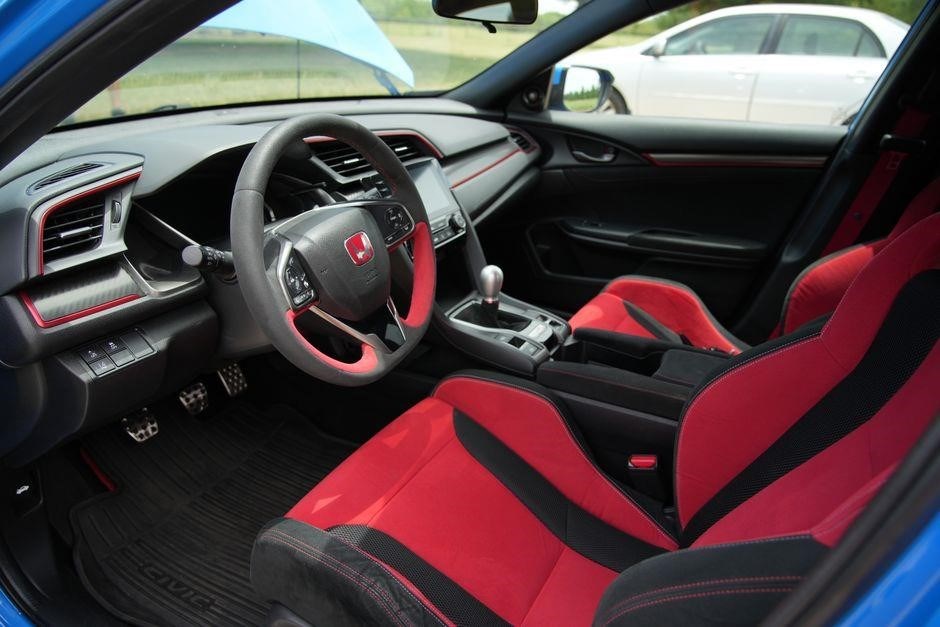
Starting‚ Operating‚ and Safety Features
Key safety features include airbags‚ ABS‚ traction control‚ and a rear‑view camera. The engine starts with the keyless button‚ and the automatic transmission shifts smoothly. Seat‑belt reminders and tire‑pressure alerts are displayed. All systems monitored.

Ignition and Engine Start Procedure
To start the 2016 Honda CR‑V‚ place the vehicle in Park (P) or Neutral (N) and depress the brake pedal. Insert the key into the ignition lock or‚ if equipped with a keyless system‚ press the start button. The engine will crank and begin to run once the key is turned or the button is pressed. If the engine does not start‚ check the battery charge and ensure the key fob battery is functional. The dashboard will display a green start‑up light when the engine is running. Before driving‚ verify that the seat belt is fastened‚ the steering wheel is properly aligned‚ and all safety lights are illuminated. If the check engine light remains on after starting‚ consult the owner’s manual for troubleshooting steps. The vehicle’s immobilizer system will prevent the engine from running if the key is not recognized‚ so keep the key fob in a safe place. For electric start‚ simply press the start button while the brake pedal is depressed; the engine will start automatically. When the engine is running‚ the tachometer will show idle RPM‚ and the vehicle will be ready for operation. Remember to keep the engine warm for a few minutes before driving in cold weather to ensure optimal performance and reduce wear on the drivetrain. If you encounter a “no start” condition‚ check the fuses‚ battery terminals‚ and the engine’s coolant level. The manual also advises to let the engine idle for at least two minutes after a cold start to allow the oil to circulate fully. Finally‚ always ensure the vehicle’s transmission is in the correct gear before attempting to start the engine to avoid accidental movement. The ignition system also includes a crank sensor that monitors engine rotation; if the sensor fails‚ the engine will not start. The manual recommends checking the sensor if the engine cranks but fails to fire. Additionally‚ the vehicle’s electronic throttle control requires a proper throttle position sensor; a malfunction may cause a no‑start condition. The owner should also be aware of the engine immobilizer light‚ which will illuminate if the key is not authenticated. The manual advises to keep the key fob battery charged and to replace it if the signal weakens. For extreme cold‚ the manual suggests using a battery charger to maintain battery health. The engine’s oil pressure gauge should be monitored after startup; low pressure may indicate a problem. By following these steps‚ owners can ensure a smooth start and maintain the vehicle’s reliability over time. If any warning lights remain illuminated after a successful start‚ refer to the troubleshooting section for detailed diagnostics. Finally ensure the vehicle’s transmission is in the gear before starting the engine to avoid the movement.
Interior Features and Controls
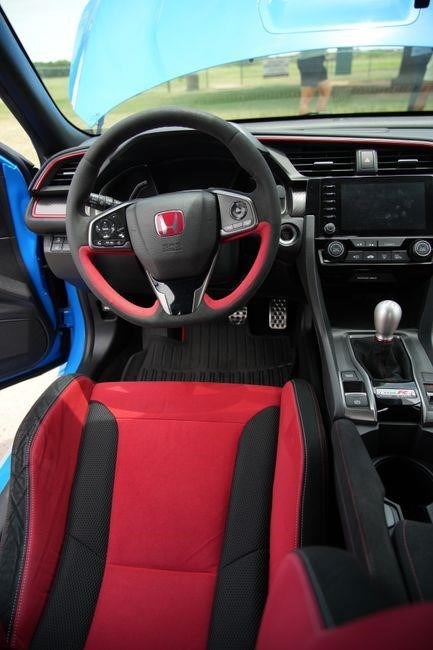
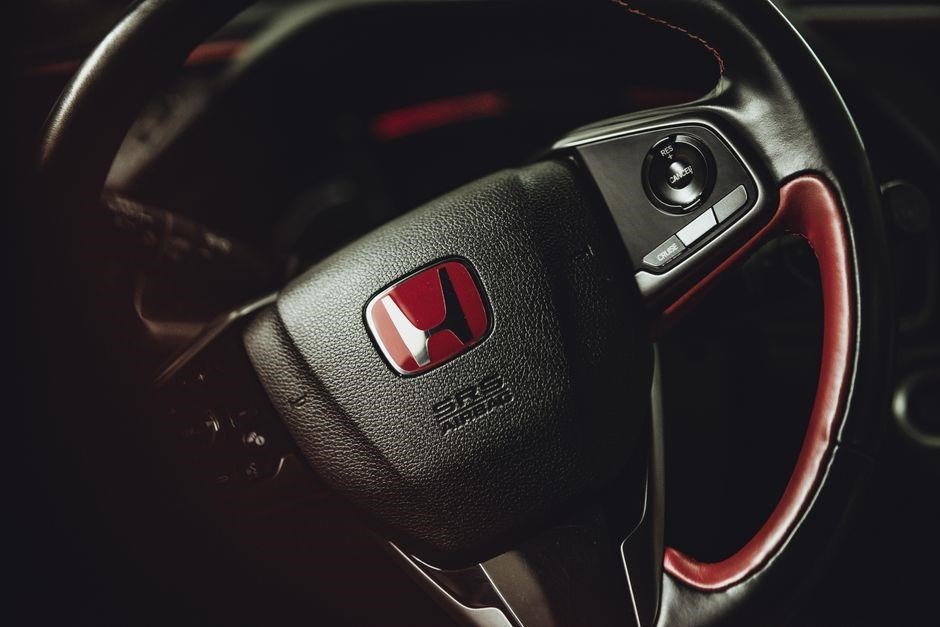
The 2016 Honda CR‑V interior offers ergonomic seats‚ a multi‑function steering wheel‚ climate control‚ and a touchscreen infotainment system. Controls include power windows‚ door locks‚ and a driver‑assist display that monitors vehicle status and safety alerts.
Dashboard and Instrument Cluster
The 2016 Honda CR‑V dashboard is designed for clarity and ease of use‚ featuring a clean layout with a 7‑inch touchscreen infotainment system positioned centrally. The instrument cluster is a 2‑in‑1 digital display that combines the speedometer‚ tachometer‚ fuel gauge‚ and trip computer into a single‚ high‑resolution screen. The cluster’s color scheme is a subtle blend of black‚ gray‚ and white‚ providing excellent visibility in both daylight and low‑light conditions. The speedometer uses a large‚ bold digital readout that updates in real time‚ while the tachometer displays RPM in a separate‚ smaller window. Fuel level is shown as a percentage bar‚ and the trip computer offers distance‚ average fuel economy‚ and estimated range. A digital clock and a calendar display are also integrated‚ allowing drivers to glance at time and date without taking eyes off the road. The cluster includes a multi‑function display that can switch between various modes such as “Eco‚” “Comfort‚” and “Sport‚” giving drivers control over vehicle dynamics. Warning lights are clearly labeled with icons and text‚ and the cluster provides audible alerts for low fuel‚ seat belt‚ and other safety notifications. The overall design prioritizes minimalism‚ ensuring that drivers can quickly locate and interpret critical information while maintaining a focus on the road. Additionally‚ the dashboard’s lighting can be customized via vehicle’s infotainment system‚ allowing drivers to select presets that improve visibility and comfort during night driving. The system supports voice‑activated adjustments for a hands‑free experience;

Exterior Features and Lighting
The 2016 Honda CR‑V features sleek LED headlights‚ adaptive fog lamps‚ and chrome‑trimmed grille. Rear taillights display a distinctive LED pattern‚ while daytime running lights improve visibility. All lighting integrates with the vehicle’s electronic system. 2026!!
Headlights‚ Taillights‚ and Fog Lights
The 2016 Honda CR‑V is equipped with full‑LED headlights that provide bright‚ clear illumination for night driving and improve safety. The headlights feature adaptive high‑beam assist‚ automatically dimming when oncoming traffic is detected. Fog lights are integrated into the front bumper and are designed to cut through fog‚ rain‚ and mist‚ enhancing visibility in adverse conditions. Rear taillights use LED technology‚ offering a distinctive‚ sharp look and improving rear visibility. The taillights are paired with a brake light system that activates when the brake pedal is depressed‚ ensuring that following vehicles are aware of braking. Additional lighting features include daytime running lights (DRLs) that illuminate the front of the vehicle during daylight hours to increase visibility. All lighting components are controlled by the vehicle’s electronic system and can be adjusted via the instrument cluster or the vehicle’s settings menu. Proper maintenance of the lighting system involves checking for bulb failure‚ ensuring correct alignment‚ and cleaning lenses to maintain optimal brightness. The manual provides step‑by‑step instructions for replacing bulbs and adjusting headlight alignment‚ as well as troubleshooting tips for common lighting issues such as uneven illumination or flickering. By following these guidelines‚ owners can keep the lighting system in optimal condition‚ ensuring safety and compliance with local regulations. Owners should also consult the manual’s troubleshooting section for detailed solutions to any lighting anomalies‚ ensuring the vehicle remains compliant with safety standards. Regular checks keep lights bright‚ ensuring safety for all everywhere.
Engine‚ Transmission‚ and Drivetrain
The 2016 Honda CR‑V features a 2.4‑L inline‑four engine producing 184 hp and 162 lb‑ft torque. It pairs with a 5‑speed automatic transmission and front‑wheel drive. The system delivers smooth acceleration‚ efficient fuel use‚ and reliable performance for daily driving. Refer to manual for service!!

Engine Types and Power Output
The 2016 Honda CR‑V is powered by a single 2.4‑liter‚ inline‑four engine that produces 184 horsepower at 6‚600 rpm and 162 lb‑ft of torque at 4‚400 rpm. This engine is mated to a standard 5‑speed automatic transmission‚ delivering a blend of smooth acceleration and efficient fuel use. The DOHC architecture features 16 valves‚ variable valve timing‚ and a continuously variable valve lift system that fine‑tunes valve operation for optimal combustion across the rev range. The drivetrain is front‑wheel‑drive‚ with an optional all‑wheel‑drive system available on higher trims‚ adding traction and stability in inclement weather. The torque converter is calibrated to minimize pumping losses‚ which helps the vehicle achieve EPA ratings of 25 mpg city/32 mpg highway. The engine’s compression ratio of 10;5:1 and a 4‑bar turbocharger (in the optional turbo‑charged variant) boost low‑end torque and throttle response. Engine management employs a 16‑sensor array to monitor air intake‚ exhaust gases‚ and temperature‚ allowing the ECU to adjust fuel injection and ignition timing for peak efficiency. The CR‑V’s power output is adequate for daily driving‚ overtaking‚ and light towing‚ while the drivetrain’s design ensures durability and low maintenance costs over the vehicle’s lifespan. The owner’s manual details maintenance intervals‚ including oil changes‚ filter replacements‚ and transmission fluid checks‚ and offers troubleshooting tips for common engine and transmission issues such as misfires‚ rough idle‚ and shifting hesitation‚ enabling owners to address problems promptly and keep the vehicle running reliably. Use 5W‑30 oil in warmer climates for best performance maintain longevity!!
Fuel Economy and Emissions
The 2016 Honda CR‑V delivers 25 mpg city/32 mpg highway‚ 28 mpg combined. Emissions meet U.S; Tier 3 standards with catalytic converter and particulate filter‚ reducing NOx and CO₂. Regular maintenance keeps fuel efficiency high and emissions low. It meets EPA standards. Plus.!
Fuel Consumption Figures
According to the 2016 Honda CR‑V Owner’s Manual‚ the vehicle’s fuel economy varies by trim and driving conditions. The base LX model with the 2.4‑liter four‑cylinder engine achieves an EPA‑rated 25 mpg in city traffic‚ 32 mpg on the highway‚ and a combined 28 mpg. The EX and EX‑L trims‚ which share the same powertrain but feature a slightly different transmission calibration‚ deliver 25 mpg city‚ 32 mpg highway‚ and 28 mpg combined as well. When equipped with the optional 1.5‑liter turbo‑charged engine found in the Hybrid models‚ the fuel consumption improves to 30 mpg city‚ 35 mpg highway‚ and 32 mpg combined. The manual also notes that real‑world mileage can be affected by factors such as tire pressure‚ driving style‚ load‚ and climate. For optimal fuel efficiency‚ the manual recommends maintaining proper tire inflation‚ avoiding excessive idling‚ and using the Eco‑mode feature when available. Additionally‚ the manual provides a table of fuel consumption for various driving scenarios‚ including city‚ highway‚ and mixed driving‚ and advises owners to consult the maintenance schedule to keep the engine running efficiently. These figures are based on standardized testing procedures and provide a reliable benchmark for owners planning fuel budgets and evaluating vehicle performance. The manual’s fuel consumption data is essential for understanding the environmental impact and cost of ownership for the 2016 Honda CR‑V. Owners can also refer to the fuel consumption chart in Appendix A‚ which lists mileage for different gear ratios and driving modes. The manual emphasizes that the listed figures are for a standard 15‑year‑old vehicle with no modifications. For owners who frequently drive in mountainous terrain or carry heavy loads‚ the manual advises using higher gears earlier to reduce engine strain and improve fuel economy. Finally‚ the manual includes a troubleshooting section for fuel economy issues‚ such as a sudden drop in mpg‚ which may indicate a malfunctioning oxygen sensor or a clogged fuel injector. By following the recommended diagnostics and repair procedures‚ owners can restore the vehicle to its rated fuel efficiency. The manual also provides a comparison table between the 2016 CR‑V and its predecessor‚ highlighting a 5% improvement in fuel economy due to aerodynamic refinements and weight reduction. This comparative data helps owners assess the benefits of upgrading to the newer model. Furthermore‚ the manual lists the recommended fuel type—regular unleaded 87 octane—and warns against using higher octane fuels unless specified‚ as it can affect engine performance and fuel economy.
Maintenance Schedule and Owner’s Information
Follow the 2016 Honda CR‑V service chart: oil every 7‚500 mi or 12 mo‚ filter change same interval‚ tire rotation every 7‚500 mi‚ brake inspection quarterly. Keep records in the glove box and consult the manual for seasonal checks. All services.
Recommended Service Intervals
For the 2016 Honda CR‑V‚ the manufacturer recommends a systematic maintenance schedule to preserve reliability and performance. The core intervals are:
- Engine oil and filter: every 7‚500 miles or 12 months or whichever comes first.
- Cabin air filter: replace at 15‚000 miles or 24 months.
- Tire rotation and balance: every 7‚500 miles.
- Brake fluid: inspect every 15‚000 miles; replace if contaminated.
- Coolant: replace at 60‚000 miles or 60 months.
- Transmission fluid (automatic): replace at 60‚000 miles.
- Power steering fluid: inspect annually; replace if low or dirty.
- Timing belt (if equipped): replace at 100‚000 miles.
- Spark plugs: replace at 100‚000 miles.
- Battery: inspect annually; replace if voltage drops below 12.4 V.
Adhering to these intervals ensures optimal engine efficiency‚ reduces wear‚ and helps maintain warranty coverage. All service records should be kept in the glove‑box logbook and presented during resale for proof of care.
Owners are encouraged to keep a detailed log of all maintenance activities‚ including oil changes‚ filter replacements‚ and inspection dates. The manual also advises checking the coolant level every month during extreme weather and flushing the system every 60‚000 miles. Proper adherence to these guidelines not only extends the life of the vehicle but also preserves resale value and ensures safety on the road.
Keep your CR‑V in top shape.!!!.