The Concrete Reinforcing Steel Institute Manual provides guidelines for reinforcing steel fabrication and placement. The 29th Edition includes CHAPTER 7 with industry practices for fabrication.
It is a valuable resource for builders and engineers.
Purpose and Scope of the Manual
The Concrete Reinforcing Steel Institute Manual aims to provide a comprehensive guide for the reinforcing steel industry. The purpose of the manual is to establish standard practices for the fabrication and placement of reinforcing steel. The scope of the manual includes guidelines for typical bend shapes, bend diameters, and fabrication tolerances. The manual is intended for use by builders, engineers, and contractors involved in the construction industry. It provides a framework for ensuring quality and safety in the use of reinforcing steel. The manual is regularly updated to reflect changes in industry standards and practices. By following the guidelines outlined in the manual, users can help to ensure that their projects are completed to a high standard of quality and safety. The manual is an essential resource for anyone involved in the reinforcing steel industry. It provides a comprehensive overview of the principles and practices that underlie the use of reinforcing steel in construction. The manual is available in a PDF version, making it easy to access and use. The Concrete Reinforcing Steel Institute is a leading authority on reinforcing steel and the manual reflects their expertise and knowledge in the field. The manual is a valuable resource for students and professionals alike, providing a detailed and comprehensive guide to the use of reinforcing steel in construction.
Importance of Standard Practice in Reinforcing Steel
The importance of standard practice in reinforcing steel cannot be overstated. Standard practices ensure that reinforcing steel is fabricated and placed in a way that meets industry standards for quality and safety. This is critical in ensuring that buildings and structures are safe and durable. The use of standard practices also helps to reduce errors and improve efficiency in the construction process. By following established guidelines, contractors and builders can ensure that their projects are completed to a high standard of quality. The Concrete Reinforcing Steel Institute plays a key role in promoting standard practices in the reinforcing steel industry. Their manual provides a comprehensive guide to standard practices and is an essential resource for professionals in the field. By adopting standard practices, the reinforcing steel industry can help to improve safety, reduce costs, and enhance the quality of buildings and structures. The use of standard practices also helps to reduce the risk of errors and defects in the construction process. This is particularly important in the reinforcing steel industry, where safety and quality are paramount. By following standard practices, contractors and builders can help to ensure that their projects are completed to a high standard of quality and safety.

Manual of Standard Practice 29th Edition Overview
The 29th Edition provides guidelines for reinforcing steel fabrication and placement, including CHAPTER 7. It is a valuable resource for builders and engineers, ensuring quality and safety in construction.
CHAPTER 7 Recommended Industry Practices for Fabrication of Concrete Reinforcing Steel
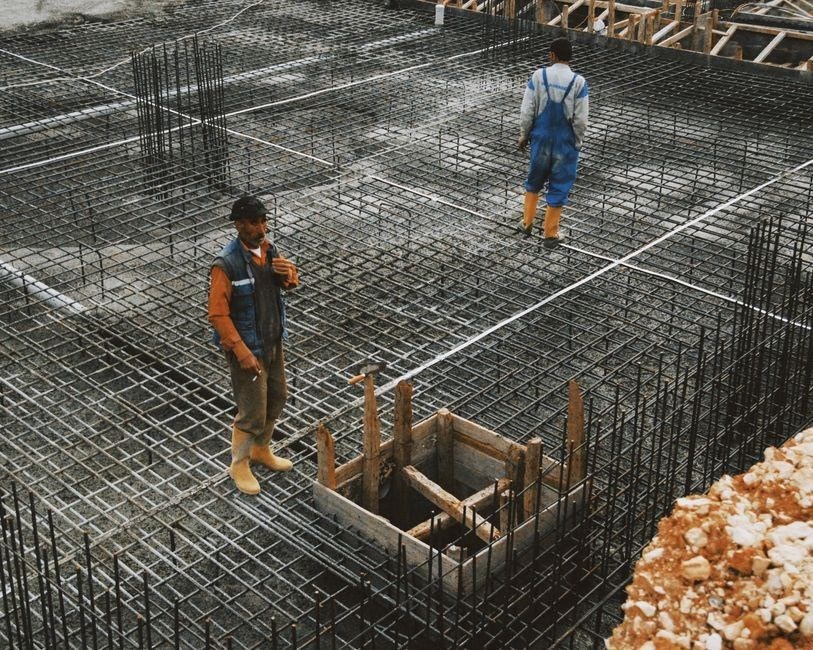
The Concrete Reinforcing Steel Institute Manual outlines recommended practices for fabrication of reinforcing steel.
These practices include typical bend shapes, guidelines for typical bend shapes, and bend diameters.
Additionally, typical measuring points, fabricating tolerances, and bend curvature tolerances are covered.
Special bend shapes, bending, and quality and inspection are also addressed in CHAPTER 7.
The Manual of Standard Practice provides a comprehensive guide for reinforcing steel fabrication, ensuring quality and safety in construction.
Furthermore, CHAPTER 7 covers typical bundling and tagging, special bundling and tagging, and typical fabrication.
Special fabrication, radial prefabrication, and round spirals are also discussed.
The Manual of Standard Practice is a valuable resource for builders, engineers, and contractors involved in reinforcing steel construction.
In addition to the topics mentioned above, CHAPTER 7 also covers shipment considerations, extra work or materials, and special services.
Special items and fabrication for specialty reinforcing bars are also addressed.
The Concrete Reinforcing Steel Institute Manual provides a comprehensive guide for reinforcing steel fabrication, ensuring quality and safety in construction.

Overall, CHAPTER 7 of the Manual of Standard Practice provides a detailed guide for reinforcing steel fabrication, covering various aspects of the process.
By following the recommended practices outlined in CHAPTER 7, builders, engineers, and contractors can ensure quality and safety in reinforcing steel construction.
The Manual of Standard Practice is a valuable resource for the construction industry, providing a comprehensive guide for reinforcing steel fabrication.
By using the Manual of Standard Practice, builders, engineers, and contractors can ensure that their reinforcing steel construction projects are completed to the highest standards of quality and safety.
Key Components of the Manual, Including Bend Shapes and Fabrication Tolerances
The Manual of Standard Practice includes key components such as bend shapes and fabrication tolerances.
These components are crucial for ensuring quality and safety in reinforcing steel construction.
The Manual provides detailed information on typical bend shapes, including standard bend shapes and special bend shapes.
Fabrication tolerances are also covered, including bend diameter tolerances and fabricating tolerances.
In addition to bend shapes and fabrication tolerances, the Manual also includes information on measuring points and quality control.
Measuring points are critical for ensuring that reinforcing steel is fabricated to the correct dimensions.
Quality control measures are also essential for ensuring that reinforcing steel meets the required standards.
The Manual of Standard Practice provides a comprehensive guide to reinforcing steel fabrication, including key components such as bend shapes and fabrication tolerances.
By following the guidelines outlined in the Manual, builders, engineers, and contractors can ensure that their reinforcing steel construction projects are completed to the highest standards of quality and safety.
The Manual of Standard Practice is a valuable resource for the construction industry, providing a comprehensive guide to reinforcing steel fabrication.
The Manual is regularly updated to reflect changes in industry standards and best practices.
This ensures that reinforcing steel fabrication meets the latest requirements for quality and safety.
By using the Manual of Standard Practice, builders, engineers, and contractors can stay up-to-date with the latest developments in reinforcing steel fabrication.
Overall, the Manual of Standard Practice is an essential resource for anyone involved in reinforcing steel construction.
Its comprehensive guide to key components such as bend shapes and fabrication tolerances makes it an invaluable tool for ensuring quality and safety in reinforcing steel construction.
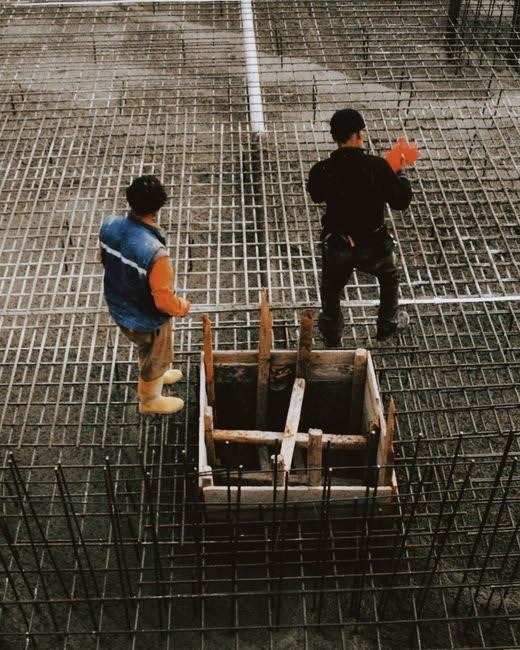
Concrete Reinforcing Steel Institute Resources
The Institute offers resources including manuals and guides for reinforcing steel construction, available in PDF format.
Access to Manual of Standard Practice PDF Version
The Concrete Reinforcing Steel Institute provides access to the Manual of Standard Practice in PDF format, allowing users to easily download and reference the document; This version is searchable and printable, making it a valuable resource for professionals in the industry. The PDF version is available on the Institute’s website, and can be accessed by members and non-members alike. The Manual is updated regularly to reflect changes in industry standards and best practices, ensuring that users have access to the most current information. By providing access to the Manual in PDF format, the Institute is supporting the needs of professionals in the industry, and promoting the use of standard practices in reinforcing steel construction. The Institute’s website also provides information on how to obtain a hard copy of the Manual, for those who prefer a physical copy. Overall, the Concrete Reinforcing Steel Institute is committed to providing access to the Manual of Standard Practice in a variety of formats, to support the needs of professionals in the industry.
Reinforcing Steel Institute of Canada and Their Contributions
The Reinforcing Steel Institute of Canada is a valuable resource for professionals in the industry, providing guidance and support for reinforcing steel construction. The Institute has contributed significantly to the development of industry standards and best practices, and has published a Canadian edition of the Manual of Standard Practice. This edition has been prepared by the Institute’s Technical division to reflect current codes and standards in Canada. The Institute has also provided support for research and development in the industry, and has collaborated with other organizations to promote the use of reinforcing steel in construction. The Institute’s contributions have helped to improve the safety and quality of reinforcing steel construction in Canada, and have supported the growth and development of the industry. The Institute’s website provides access to resources and information on reinforcing steel construction, including technical guides and industry news. The Institute also offers training and education programs for professionals in the industry, to help them stay up-to-date with the latest developments and best practices.

Corrosion of Reinforcing Bars in Concrete
Corrosion of reinforcing bars is a major concern in concrete construction, affecting structural integrity and safety.

Estimation of Electrical Corrosion Potential
The estimation of electrical corrosion potential is a critical aspect of reinforcing steel maintenance. This process involves evaluating the risk of corrosion in concrete structures.
According to the Concrete Reinforcing Steel Institute, electrical corrosion potential can be estimated using field tests and laboratory analysis.
The Manual of Standard Practice provides guidelines for estimating electrical corrosion potential, including test methods and interpretation of results.
By estimating electrical corrosion potential, engineers and contractors can identify potential corrosion risks and take preventive measures to protect reinforcing steel and ensure the longevity of concrete structures.
This process is essential for maintaining the integrity of concrete structures and preventing costly repairs.
Importance of Corrosion Protection in Reinforcing Steel
The importance of corrosion protection in reinforcing steel cannot be overemphasized.
Corrosion can significantly reduce the service life of concrete structures, leading to premature deterioration and potentially catastrophic failures.
According to the Concrete Reinforcing Steel Institute, corrosion protection is essential for ensuring the durability and safety of concrete structures.
Effective corrosion protection measures can help prevent corrosion and reduce the risk of structural failure.
This includes using corrosion-resistant materials, applying protective coatings, and implementing cathodic protection systems.
By prioritizing corrosion protection, engineers and contractors can help ensure the long-term integrity of concrete structures and protect public safety.
Corrosion protection is a critical investment in the longevity and performance of concrete structures;

Creating Bar Lists and Placing Drawings
Accurate bar lists and placing drawings are crucial for reinforcing steel construction.
Builders Book provides guidelines for creating and placing drawings.
Guidelines for Creating Accurate Bar Lists
The Concrete Reinforcing Steel Institute Manual provides detailed guidelines for creating accurate bar lists. These guidelines include specifications for reinforcing bar sizes, types, and quantities.
It is essential to follow these guidelines to ensure accuracy and efficiency in reinforcing steel construction.
The manual also includes examples and illustrations to help users understand the guidelines.
Additionally, the manual provides information on bar list format and content, including headers, footers, and column headings.
By following these guidelines, users can create accurate and reliable bar lists, which are critical for reinforcing steel construction projects.
The guidelines also cover topics such as bar list organization, sorting, and filtering, as well as tips for avoiding common errors.
Furthermore, the manual provides information on bar list software and tools that can help users create and manage bar lists efficiently.
Overall, the guidelines for creating accurate bar lists are an essential part of the Concrete Reinforcing Steel Institute Manual, and are critical for ensuring the success of reinforcing steel construction projects.
By following these guidelines, users can help ensure that their reinforcing steel construction projects are completed accurately, efficiently, and safely.
The Concrete Reinforcing Steel Institute Manual is a valuable resource for reinforcing steel construction professionals, and provides essential guidelines and information for creating accurate bar lists.
The manual is widely used in the construction industry, and is recognized as a leading authority on reinforcing steel construction.
The guidelines for creating accurate bar lists are just one example of the many valuable resources and guidelines provided in the Concrete Reinforcing Steel Institute Manual.
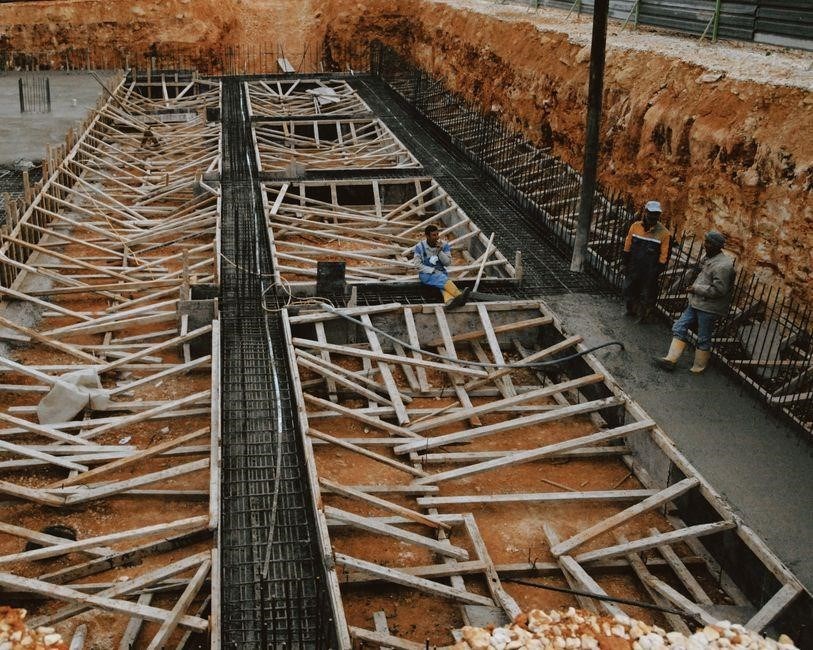
Overall, the manual is a comprehensive guide to reinforcing steel construction, and provides essential information and guidelines for creating accurate bar lists.
The Concrete Reinforcing Steel Institute Manual is an indispensable resource for reinforcing steel construction professionals, and is widely used in the construction industry.
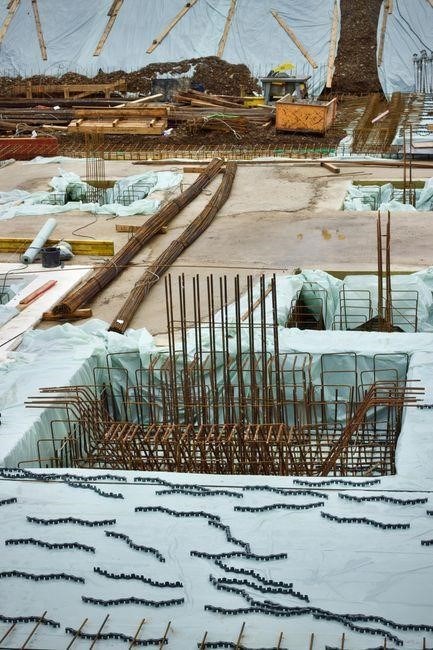
Best Practices for Placing Drawings in Reinforcing Steel Construction
The Concrete Reinforcing Steel Institute Manual provides guidelines for placing drawings in reinforcing steel construction.
These guidelines include best practices for creating and managing drawings, such as using standardized templates and following industry standards;
Effective drawing placement is critical for ensuring the accuracy and efficiency of reinforcing steel construction projects.
Drawings should be clearly labeled and organized in a logical and consistent manner.
Best practices for placing drawings include using color-coding and symbolism to highlight important features and details.
Drawings should also be scaled and dimensioned accurately to ensure that reinforcing steel is installed correctly.
Reinforcing steel construction professionals should follow these best practices to ensure that drawings are accurate, complete, and easy to understand.
By following these guidelines and best practices, reinforcing steel construction professionals can help ensure the success of their projects.
Drawings play a critical role in reinforcing steel construction, and following best practices for placing drawings is essential for ensuring project success.
Reinforcing steel construction projects require accurate and complete drawings to ensure that reinforcing steel is installed correctly.
Best practices for placing drawings in reinforcing steel construction include using technology to create and manage drawings, such as computer-aided design (CAD) software.
By following these best practices, reinforcing steel construction professionals can help ensure that their projects are completed accurately and efficiently.